U.S. Open: Zverev’s ball bouncing sparks debate on serve clock rules

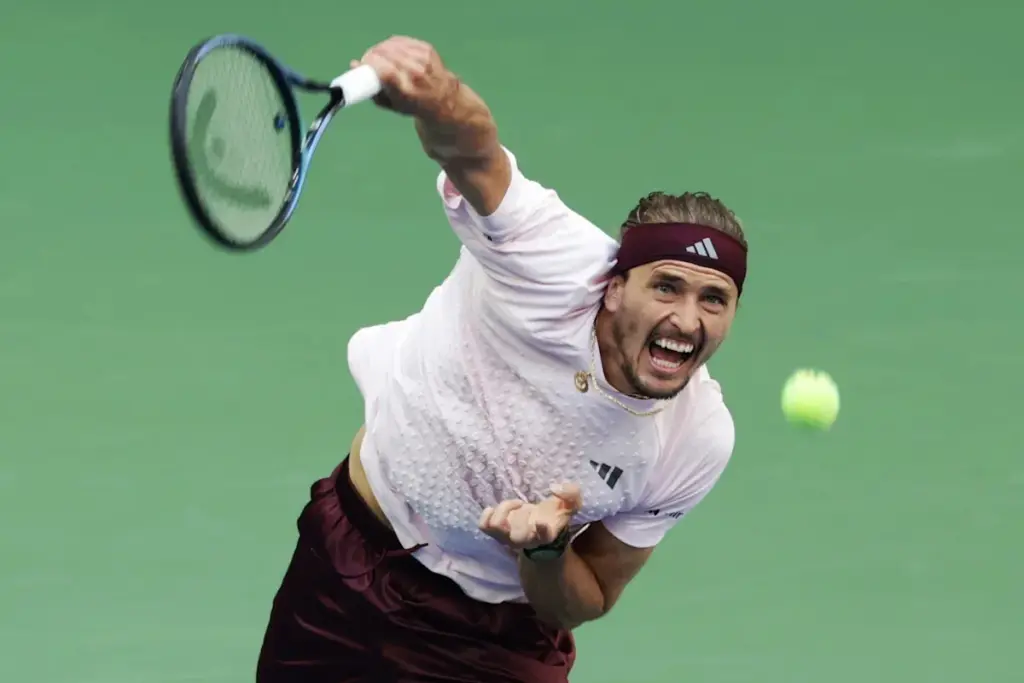
Alexander Zverev’s recent performance at the U.S. Open, where he secured a major title, has brought renewed attention to his ball-bouncing habits and the sport’s serve clock regulations. The German player, known for his deliberate approach, bounced the ball numerous times before serves throughout the tournament, leading to discussions among players and fans.
During his first five matches at the U.S. Open, Zverev reportedly bounced the ball approximately 12,000 times, accumulating about two and a half hours of bouncing over the course of the event. This practice was particularly noticeable before second serves, where there is no specific time limit, unlike the 25-second clock for first serves.
Debate Over Serve Clock Rules
Following Zverev’s victory against Ben Shelton in the U.S. Open final, Shelton suggested that rules regarding the time taken for second serves should be implemented. Shelton emphasized that while players should have the full 25 seconds for a first serve, unlimited time for second serves creates delays that can be challenging for fans. He believes that tournaments will likely examine this issue due to the significant pauses in play.
Shelton also recounted an instance during the final where the chair umpire admonished him to be ready sooner, despite Zverev’s extended ball bouncing. Shelton maintained that a player should only need to be ready when the server is prepared to serve, not while they are still bouncing the ball.
Zverev’s semifinal opponent, Karen Khachanov, echoed similar sentiments, stating that the prolonged ball bouncing is frustrating for many players. Khachanov noted that it makes it difficult to prepare for a serve when there are often numerous bounces before the action. He acknowledged that Zverev’s actions were within the current rules regarding time between points, as a time violation would be issued if the rules were exceeded.
Despite the criticism, Zverev stated he was not intentionally prolonging the process. After his semifinal win, he expressed amusement at the statistics regarding his ball bouncing, claiming he was unaware of how much it had increased. He mentioned that he had tried to reduce the number of bounces after seeing the statistics before the semifinals but sometimes forgets during a match.
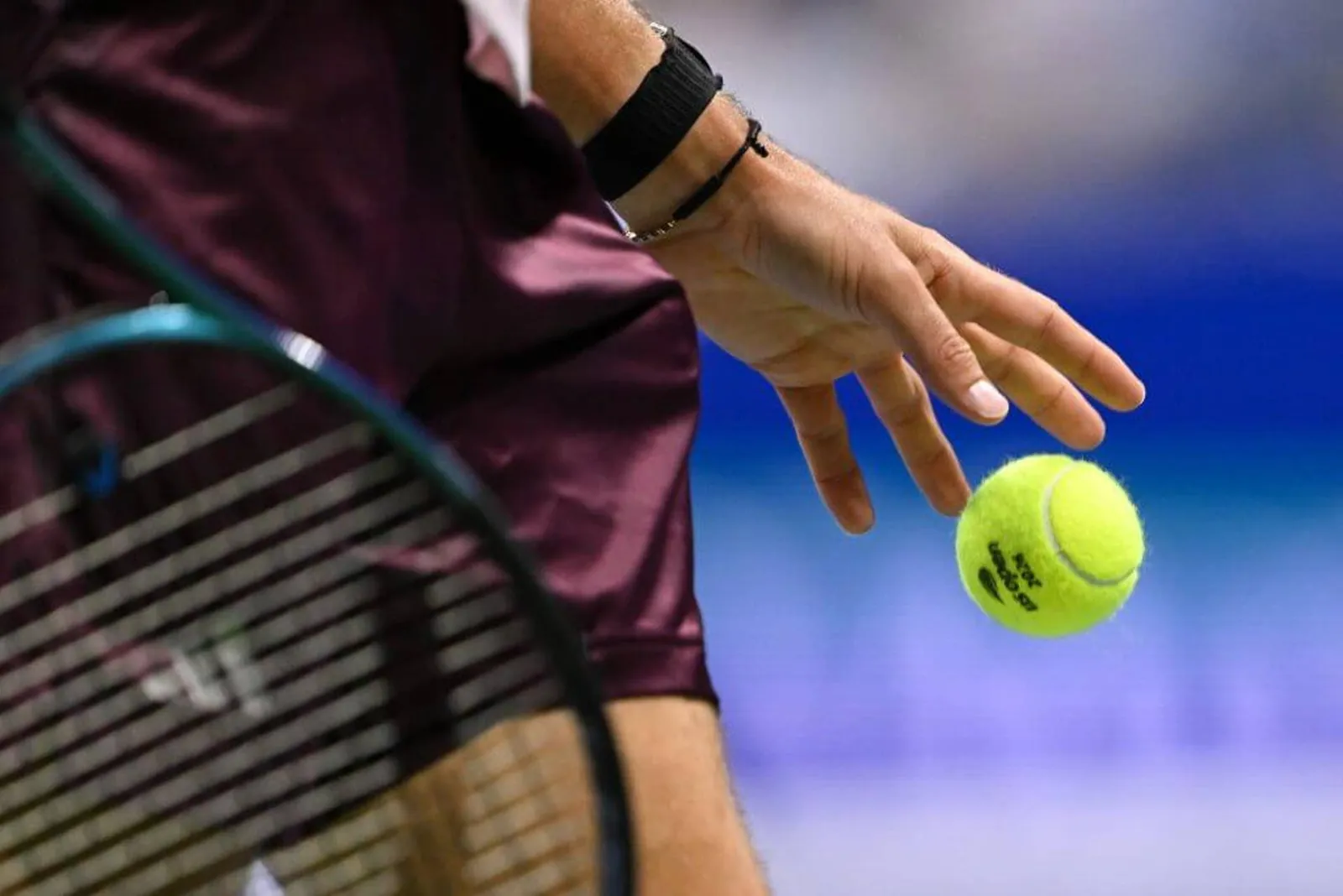
Other notable players, including Novak Djokovic, Cameron Norrie, and Marin Čilić, also engage in ball bouncing routines. The sport previously implemented a serve clock to accelerate the pace of play, but the current rules still allow for extended periods before second serves. Zverev received a warning for a clock violation during the final, to which he mildly protested, stating he was at the line 30 seconds prior.
Zverev’s Grand Slam Success
The 2026 U.S. Open marked a significant achievement for Zverev, as it was his second Grand Slam title of the year, following a previous win at Roland-Garros. His performance, particularly his serve, was a key factor in his victory over Shelton, who only managed to break Zverev’s serve once across four sets.
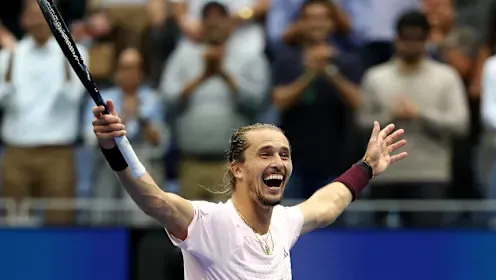
This year has been a strong one for Zverev, who entered it as a prominent player yet to win a Grand Slam. He achieved a 25-2 record in Grand Slams in 2026, with his only losses coming against Carlos Alcaraz in the Australian Open semifinal and Jannik Sinner in the Wimbledon final. His success has led to a shift in perception regarding his legacy in tennis.
The debate surrounding Zverev’s ball bouncing and the serve clock rules highlights an ongoing discussion within tennis about maintaining pace of play while accommodating player routines. As Zverev continues his successful season, the conversation about potential rule adjustments for second serves may persist.
Read Also
Source: nytimes.com

